How to Make the Shift to Assisted Living Smoother
Business Name: BeeHive Homes of Henderson
Address: 1000 Greenway Rd, Henderson, NV 89002
Phone: (702) 551-0265
BeeHive Homes of Henderson
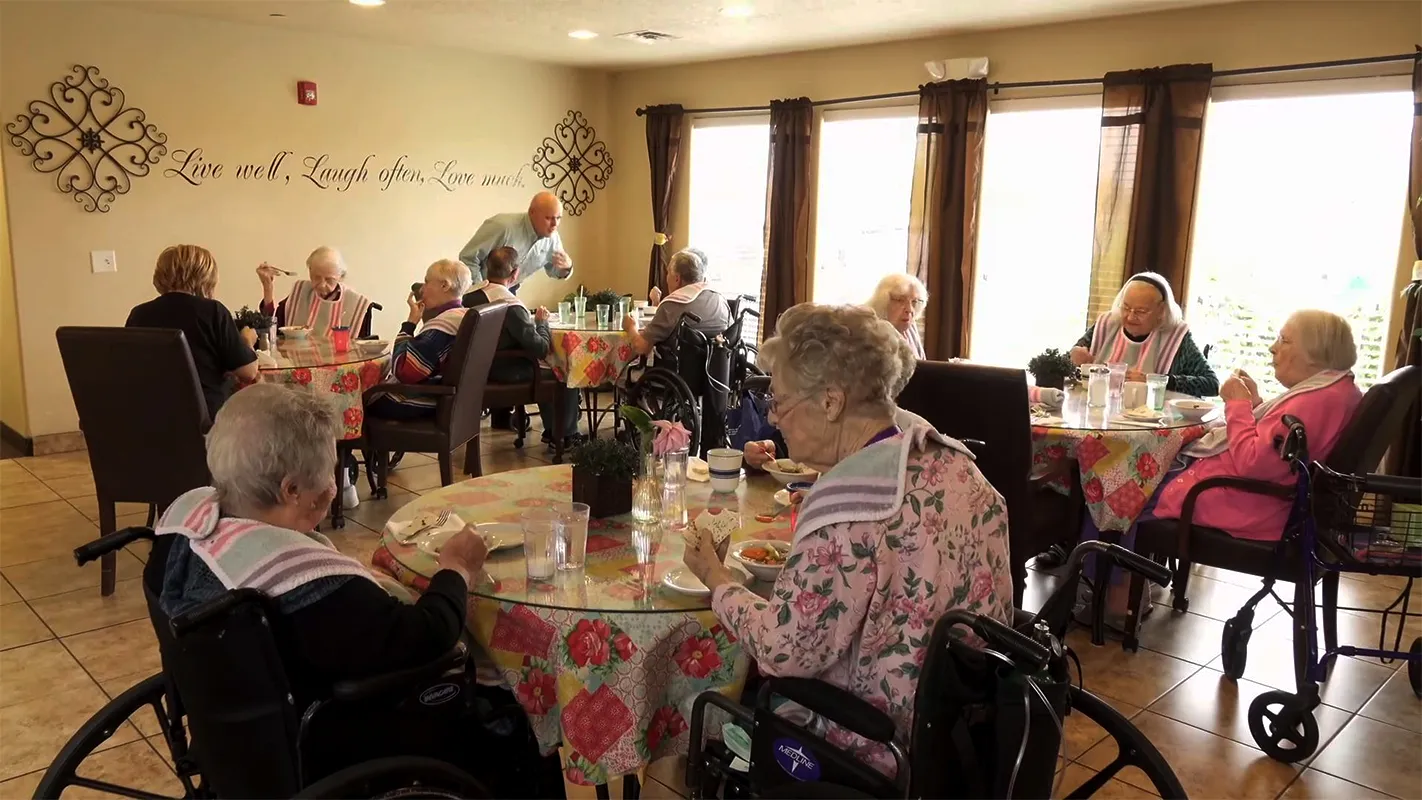
At BeeHive Homes of Henderson, Nevada, we offer the finest assisted living and memory care experience available in a cozy, comfortable homelike setting. Each of our residents has their own spacious room with an ADA approved bathroom and shower. We prepare and serve delicious home-cooked meals three times a day every day. We maintain a small, friendly community of only 20 residents per home. We provide regular activities that our residents find fun and contribute to their health and well-being. Our staff is attentive and caring and provides assistance with daily activities to our residents in a loving and respectful manner. We would like to invite you to tour and experience our memory care & assisted living home and feel the difference.
1000 Greenway Rd, Henderson, NV 89002
Business Hours
Moving right into assisted living is hardly ever simply a real estate decision. It is a change in routine, identification, support, and, for numerous family members, a long stretch of fear finally taking a noticeable type. I have seen family members invest months circling around the same concerns: Is this ahead of time? Are we surrendering way too much independence? Will Mom feel deserted? Will Dad actually accept aid? Those inquiries are regular, and they belong to why the change can really feel larger than it should.
A smoother move normally does not come from one excellent conversation or one well-organized moving day. It comes from a series of smaller, thoughtful options made before the move, throughout the first week, and in the months that adhere to. The families that handle it finest often tend to do three things well. They intend early, they maintain the older grown-up involved as long as possible, and they treat adjustment as a procedure instead of a solitary event.
Start with the genuine reason for the move
The shift becomes much easier when every person settles on the actual issue being addressed. Occasionally the issue is drops. Sometimes it is missed out on medicines, isolation, inadequate nutrition, or a partner who can no more take care of caregiving alone. Often it is all of the above, however no person has said it plainly.
When family members only speak in vague terms, the move can feel like a penalty. When they call the factor plainly, assisted living starts to resemble what it really is for many individuals: a safer, much more lasting method to preserve lifestyle. That difference issues. An older adult who has actually been isolated after a hospitalization might not listen to "assisted living" the same way they hear "you can still have your own area, your very own furniture, and everyday aid when you need it." The framing changes the psychological weight.
This is likewise where reasonable expectations assist. Assisted living is not the like independent living, and it is not the like a nursing home. It sits in the middle, providing aid with everyday jobs such as showering, clothing, dishes, drug suggestions, and transport, while still giving homeowners area to keep their own rhythms. Households that comprehend that distinction have a tendency to select more with confidence and resolve in more quickly when the relocation happens.
Involve the older grown-up early, also if the conversation is uncomfortable
One of one of the most typical mistakes I see is waiting till every little thing is determined prior to bringing the older adult into the procedure. That usually comes from a need to "secure" them from tension. In method, it normally enhances tension since the action feels enforced rather than chosen.
Even when a person's health is plainly declining, there are still options that matter. They can assist determine what to bring, exactly how the apartment ought to be set up, what clothing must hang closest to the bed, and which routines are most important to shield. Those details are not trivial. They are signals of respect.
A lady I once collaborated with raged about moving in the beginning, however her mood moved when her family members asked her to pick in between 2 dining-room chairs she loved and let her determine where her favored lamp would certainly go. That might seem small. It was not. It offered her a sense that she was relocating into a brand-new home, not being placed into someone else's system.

If the individual is resistant, it assists to stay clear of abstract debates. "You need more aid" can set off defensiveness. "I desire you to be somewhere with meals, housekeeping, and people around if you require anything" is simpler to hear. So is "Let's consider a couple of areas together and see which one really feels most comfortable." Even if somebody is reluctant, participation lowers the feeling of being swept along.
Choose the best neighborhood for the individual, not simply the brochure
Families typically start with on-line pictures, scores, or a look for "assisted living near me," then slim things down based on area and accessibility. That is a reasonable start, but it must not be the end of the process. Two neighborhoods can look similar on paper and feel really different in everyday life.
The ideal fit depends on more than square video or a listing of features. Take note of how staff speak to locals. Notice whether individuals appear hurried, whether residents look engaged, and whether meals feel tranquil or disorderly. Ideally, visit at various times of day. A community can feel brightened at 10 a.m. And completely different at dinner.
Location issues also, specifically if family members visits will belong to the adjustment. Some families search for "senior care near me" since they want to be close sufficient for a short drive after job or on weekend breaks. That reaction is functional. Routine visits throughout the very first few weeks can make the shift a lot easier. Still, proximity must not be the only aspect. A somewhat further area that has far better staffing uniformity, a warmer culture, or a stronger activity program might be the much better long-lasting choice.
Ask straight questions about routines, staff turn over, medicine support, and exactly how they handle citizens who are anxious throughout the modification period. Areas vary widely in exactly how they invite new locals. Some are deliberate and patient. Others presume individuals will acclimate on their own. The very first strategy normally causes a smoother move.
Treat the very first 1 month as a settling-in duration, not a test
Many family members anticipate the relocate to be emotionally cool after the boxes are unpacked. In reality, the very first month is typically unequal. Appetite may be off. Rest might alter. A resident that appeared fine on day two might cry on day five. An additional might say they hate it, then join a card game the following afternoon. None of that is unusual.
It assists to think in regards to change, not success or failing. The objective in the initial thirty day is not to make every little thing really feel excellent. The objective is to build senior care adequate familiarity that the area begins to really feel much less foreign.
That indicates maintaining a couple of regimens intact. If a person has coffee before morning meal at home, see whether that can proceed. If they constantly watch the evening news at a particular time, bring the very same schedule into the brand-new setup ideally. Acquainted practices anchor people when every little thing else has changed.
Families sometimes panic when a parent shares homesickness in the initial week and translate it as an indicator the move was wrong. Frequently it suggests the step is mentally genuine. That is a hard distinction, but an essential one. Pain is not constantly a judgment. It may just be the expense of change.
Pack for convenience, not just for practicality
It is easy to overfocus on paperwork and underestimate the psychological power of items. A room can be completely functional and still really feel barren if it lacks the important things that tell the resident, "This is mine." That is why the move-in process ought to focus on convenience as long as logistics.
Bring the products that bring psychological weight. A favored covering. Household images. A reading light. An acquainted chair if the space allows it. The goal is not to recreate the old house exactly. That can overwhelm a smaller house and transform the space into a storage space issue. The objective is to maintain enough connection that the area feels recognizable.
I have actually seen homeowners clear up much faster when a child hangs the exact same patchwork over the bed or when a boy positions his father's publications in the precise order he chooses. Those details matter since they minimize the sense of being displaced.
Practicality still counts. Label garments plainly. Keep medications organized. See to it spectacles, listening to aids, and movement help are very easy to locate. Bring a short list of emergency contacts and medical professionals. If the senior makes use of a pedestrian or walking cane, make certain the course through the apartment or condo is minimalist from the first day. Small obstacles come to be major dangers when somebody is still discovering a brand-new layout.
Use respite care if the action is taking place after a crisis
Sometimes assisted living is prepared after a sudden hospitalization, an autumn, or a caregiver fatigue factor. In those instances, the household may not have the deluxe of a long, leisurely transition. That is when respite care can be particularly useful.
Short-term respite care gives everyone an opportunity to evaluate routines prior to making a long-term choice. It can additionally lower the shock of a full moving. A brief remain allows the older adult to discover the eating routine, meet personnel, and get a feel for the neighborhood without the stress of "this is for life" hanging over every interaction.
This can be a clever option when there is uncertainty concerning timing. If the senior is recuperating but not ready to live completely independently, respite care can connect the gap. It likewise provides adult youngsters time to see how much support is actually needed. Several families find that what looked convenient for a weekend ends up being even more complicated over a month. That type of information is useful before making a final move.
Communicate with team like you are developing a partnership
A smoother shift usually depends on just how well the family members communicates with the assisted living team. Personnel can do a much better job when they recognize a resident's practices, preferences, sets off, and regimens. They are not mind viewers, and small details make a huge difference.
If your parent dislikes being rushed in the early morning, claim so. If they are hard of hearing on the left side, state it. If they get distressed when way too many people go into the area at once, that matters. Great senior care is not only regarding tasks. It is about noticing exactly how a person experiences those tasks.
It additionally helps to recognize one family members contact who can communicate clearly and continually with the area. A lot of spread messages can create complication, particularly if different relatives have various opinions regarding care. An assigned call does not indicate various other family members are left out. It merely offers personnel a reputable point person.
When issues occur, resolve them early and particularly. "Mom seems distressed" is a beginning point, not a complete report. "She is skipping lunch and claims she really feels shed after dinner" is a lot more valuable. The more concrete the information, the much easier it is for staff to respond well.
Expect emotions to move in waves
Even when the step goes well, there might be sense of guilt, pain, relief, and thankfulness all blended together. Family members are often stunned by their very own emotions. Adult kids may really feel guilty for feeling eased. Older adults might really feel ashamed to require help, after that eliminated when they realize they no longer need to take care of every job alone.
These combined sensations are regular. They generally imply the household is taking note, not that they have made the wrong choice.
The resident might additionally grieve the old home in ways that do disappoint up in the very first couple of days. A smell, a song, or a small holiday tradition can activate despair later. It deserves making room for that. Do not rush to deal with every difficult feeling with reassurance. In some cases the ideal action is merely to recognize the loss while pointing to what stays undamaged: household link, autonomy in day-to-day selections, and the opportunity of a steadier routine.
That psychological honesty is among the most valuable things a family members can supply. It keeps the relocation from coming to be a required cheerfulness exercise, which often backfires.
Keep visits normal, however not overwhelming
Family visibility aids, especially in the beginning, however there is an equilibrium to strike. Too couple of visits can make the resident feel deserted. Way too many, particularly if they are unforeseeable or overly emotional, can stop the resident from clearing up right into the community.
A practical rhythm is to visit commonly adequate that the individual feels sustained, while still providing room to learn team names, sign up with activities, and develop their very own routine. Quick, predictable visits can be far better than long, intense ones. A 45-minute visit after lunch might do more excellent than a three-hour visit that disrupts dinner and leaves everybody drained.
It is likewise worth seeing how visits impact the resident after the family leaves. Some older grownups become more distressed if visits are long term or if relative repetitively reveal uncertainty regarding the step. Others require a couple of added check-ins at the start and then progressively require less. Profundity matters right here. The right amount of call is the quantity that sustains adaptation, not the amount that alleviates family guilt.
Watch for signs that the shift requires even more support
Most people adjust gradually, yet some require added help. Persistent rejection to eat, worsening confusion, repeated statements of despondence, or total withdrawal from social communication can indicate that even more assistance is needed. So can changes in rest, hygiene, or wheelchair that do not settle after the first couple of weeks.
This does not automatically suggest the move failed. It might imply the resident requires a various level of care, even more time, or a more deliberate care strategy. Occasionally a medical professional needs to review medicines. Occasionally the neighborhood requires to adjust the everyday regimen. Sometimes the household requires to revamp expectations due to the fact that the action took place throughout an especially prone health period.
The factor is to see patterns rather than assuming pain will always arrange itself out. Emotional resistance and clinical decline can look similar externally, yet they ask for various responses.
Make the brand-new life seem like a life, not a waiting room
The best changes take place when assisted living starts to feel less like a location the person has actually been sent and even more like a location where life can proceed. That change hardly ever happens through facilities alone. It comes from rhythm, familiarity, connections, and small choices.
Encourage the resident to customize their area, discover the names of personnel, and attempt activities that match their temperament. Not everyone wants team bingo, which is fine. Some people prefer analysis, challenge work, gardening, or a quiet walk. The objective is involvement that really feels real, not forced.
Families can help by asking different questions. Instead of "Are you okay?" whenever, attempt "What was good concerning today?" or "That did you rest with at lunch?" Those questions are most likely to welcome genuine conversation and help the individual notification moments of connection.
If the community uses transportation, trips, or gatherings, use them selectively. Overloading a newbie with activity can be equally as purposeless as under-involving them. A thoughtful pace offers the resident room to develop confidence.
A relocation into senior living does not get rid of a person's history or habits. It just changes the setting in which those things unfold. The smoother shifts are the ones where everybody remembers that. Assisted living works best when it safeguards dignity as much as safety, and when the step is managed with patience, functional preparation, and a determination to adjust as required. That is typically what households are actually searching for when they search for assisted living near me or senior care near me. They are not just trying to find a structure. They are searching for a location where the next chapter can start with much less strain and even more steadiness.
BeeHive Homes of Henderson provides assisted living care
BeeHive Homes of Henderson provides memory care services
BeeHive Homes of Henderson provides respite care services
BeeHive Homes of Henderson supports assistance with bathing and grooming
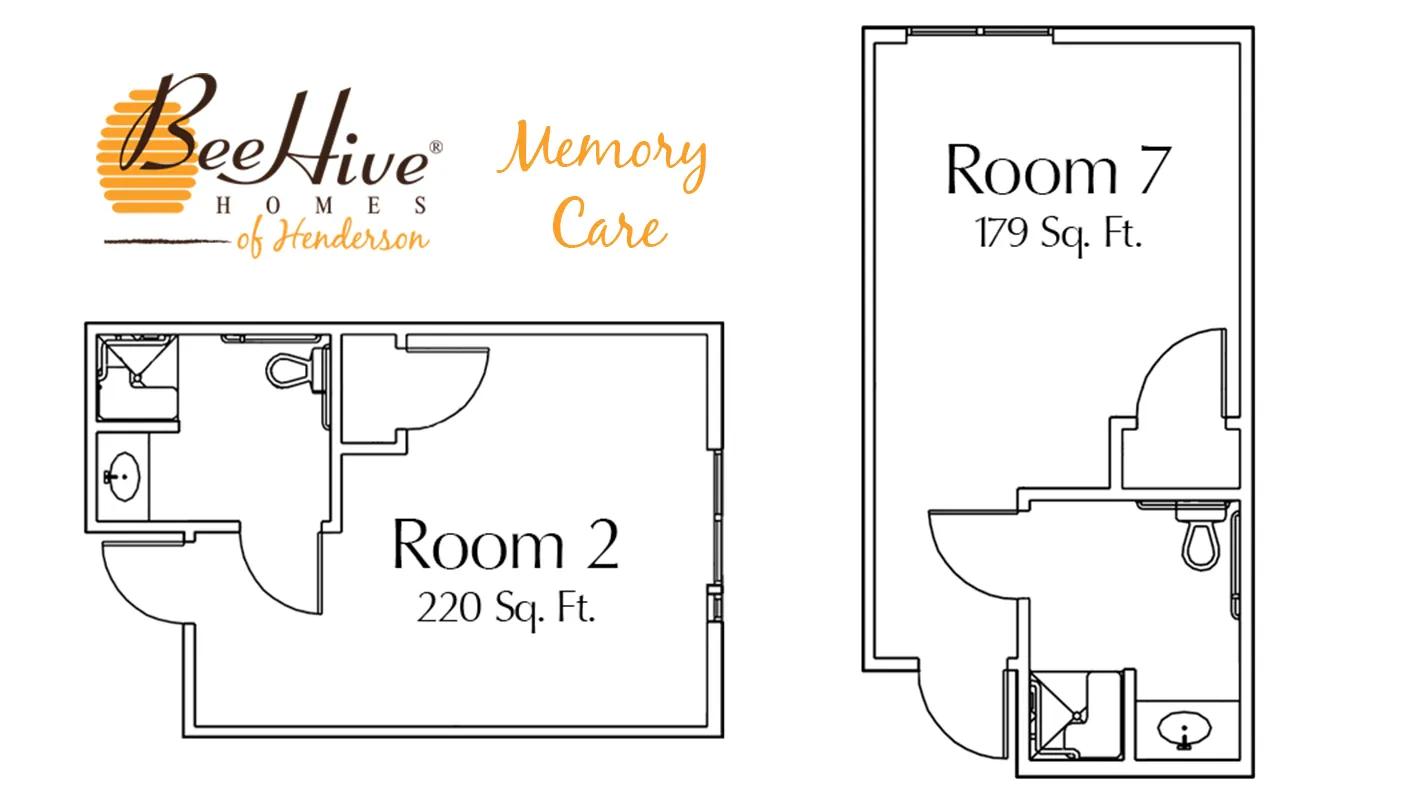
BeeHive Homes of Henderson offers private bedrooms with private bathrooms
BeeHive Homes of Henderson provides medication monitoring and documentation
BeeHive Homes of Henderson serves dietitian-approved meals
BeeHive Homes of Henderson provides housekeeping services
BeeHive Homes of Henderson provides laundry services
BeeHive Homes of Henderson offers community dining and social engagement activities
BeeHive Homes of Henderson features life enrichment activities
BeeHive Homes of Henderson supports personal care assistance during meals and daily routines
BeeHive Homes of Henderson promotes frequent physical and mental exercise opportunities
BeeHive Homes of Henderson provides a home-like residential environment
BeeHive Homes of Henderson creates customized care plans as residents’ needs change
BeeHive Homes of Henderson assesses individual resident care needs
BeeHive Homes of Henderson accepts private pay and long-term care insurance
BeeHive Homes of Henderson assists qualified veterans with Aid and Attendance benefits
BeeHive Homes of Henderson encourages meaningful resident-to-staff relationships
BeeHive Homes of Henderson delivers compassionate, attentive senior care focused on dignity and comfort
BeeHive Homes of Henderson has a phone number of (702) 551-0265
BeeHive Homes of Henderson has an address of 1000 Greenway Rd, Henderson, NV 89002
BeeHive Homes of Henderson has a website https://beehivehomes.com/locations/henderson/
BeeHive Homes of Henderson has Google Maps listing https://maps.app.goo.gl/qpZ3TKgbxCu1MVSh8
BeeHive Homes of Henderson has Instagram page https://www.instagram.com/beehivehomeshenderson/
BeeHive Homes of Henderson has an YouTube page https://www.youtube.com/@hamiltonshives4468
BeeHive Homes of Henderson won Top Assisted Living Homes 2025
BeeHive Homes of Henderson earned Best Customer Service Award 2024
BeeHive Homes of Henderson placed 1st for Senior Living Communities 2025
People Also Ask about BeeHive Homes of Henderson
What is BeeHive Homes of Henderson Living monthly room rate?
Our base rate is $4,700 per month for assisted living and $5,700 per month for memory care plus a one-time community fee of $2,500. We do an assessment of each resident's needs prior to move-in, so each resident's rate may be higher. These prices fall into three tiers based on resident needs and range from $4,700/month to $7,300/month. However, after we do the assessment and quote a price, there are no add-ons or hidden fees
Does Medicare and Medicaid pay for a stay at Bee Hive Homes?
Medicare pays for hospital and nursing home stays, but does not pay for assisted living. Some assisted living facilities are Medicaid providers but we are not. We do accept private pay, long-term care insurance, and we can assist qualified Veterans with approval for the Aid and Attendance program
Do we have a nurse on staff?
We do have a nurse on contract who is available as a resource to our staff but our residents' needs do not require a nurse on-site. We always have trained caregivers in the home and awake around the clock
What can you tell me about the food at Bee Hive?
You have to smell it and taste it to believe it! We use dietitian-approved meals with alternates available for flexibility, and we can accommodate needs for different textures and therapeutic diets. We have found that most physicians are happy to relax diet restrictions without any negative effect on our residents
Do we allow pets?
We do allow small pets as long as the resident is able to care for them. State regulations also require that we have evidence of current immunizations for any required shots
Where is BeeHive Homes of Henderson located?
BeeHive Homes of Henderson is conveniently located at 1000 Greenway Rd, Henderson, NV 89002. You can easily find directions on Google Maps or call at (702) 551-0265 Monday through Sunday 9:00am to 5:00pm
How can I contact BeeHive Homes of Henderson?
You can contact BeeHive Homes of Henderson by phone at: (702) 551-0265, visit their website at https://beehivehomes.com/locations/henderson/ or connect on social media via Instagram or Facebook
Take a drive to Yoshiya Japanese Kitchen. Yoshiya Japanese Kitchen offers a nearby dining destination where families supporting loved ones through Assisted living memory care senior care elderly care and respite care can gather for quality time together.