Necessary Concerns to Ask Before Picking an Assisted Living Residence
Business Name: BeeHive Homes of Henderson
Address: 1000 Greenway Rd, Henderson, NV 89002
Phone: (702) 551-0265
BeeHive Homes of Henderson
At BeeHive Homes of Henderson, Nevada, we offer the finest assisted living and memory care experience available in a cozy, comfortable homelike setting. Each of our residents has their own spacious room with an ADA approved bathroom and shower. We prepare and serve delicious home-cooked meals three times a day every day. We maintain a small, friendly community of only 20 residents per home. We provide regular activities that our residents find fun and contribute to their health and well-being. Our staff is attentive and caring and provides assistance with daily activities to our residents in a loving and respectful manner. We would like to invite you to tour and experience our memory care & assisted living home and feel the difference.
1000 Greenway Rd, Henderson, NV 89002
Business Hours
Choosing an assisted living residence is one of those decisions that reshapes life for an older adult and for individuals who enjoy them. Households usually reach this point after a gradual buildup of worry: missed medications, falls, overdue bills, or merely the sense that a parent is tired of handling a house that has actually become more burden than home. By the time you begin visiting communities, the pressure to get it right can feel intense.
I have actually sat at kitchen tables with families who regretted rushing into a choice, and with others who quietly said, six months later on, "I want we had done this earlier." The difference was hardly ever about chandeliers or fancy menus. It came down to whether they asked the best concerns, listened to the answers, and took notice of what was not being said.
The goal is not to find a best location. It is to find a sensible, safe, and gentle fit that matches your loved one's needs, character, and finances. The concerns listed below are framed to assist you get there, and to discover what pamphlets and sales tours rarely reveal.
Start with clarity about needs and goals
Before you ask a house anything, you need to ask yourself (and your loved one) a couple of tough questions. Without clarity on requirements and objectives, even the best assisted tour becomes a sales pitch instead of a cautious evaluation.
Spend time on 3 basic questions:
First, what is occurring right now that is no longer working at home? Be specific. Is it medication management, nighttime roaming, duplicated falls, social seclusion, caregiver burnout, or something else? An unclear response like "they are simply getting older" will not help you evaluate the level of care needed.
Second, what do you hope assisted living will improve, for both the older adult and the household? This might include less emergency clinic visits, more consistent meals, relief from 24/7 caregiving, or more social contact.
Third, what matters most mentally to your loved one? Some people care deeply about privacy and control of their schedule. Others care more about companionship, cultural fit, spiritual life, or remaining near to a particular neighborhood.
Write this down in plain language. You will utilize these notes as a lens for the rest of the process.
Understanding the level of care: what can they truly do?
Assisted living beings in the middle of the senior care spectrum. It uses more help than independent living, but generally less extensive medical care than a skilled nursing facility. The difficulty is that the term "assisted living" covers a wide range of abilities. One residence may comfortably support a person with moderate dementia and complex medication requirements. Another might silently expect residents to vacate when they need assist with toileting.
When you visit, do not simply ask, "What services do you provide?" Ask detailed, scenario-based questions.
How do you examine care requirements before move-in? A major community will conduct a nursing evaluation and produce a written care strategy. Ask who performs this assessment, the length of time it takes, and whether the household is involved.
What help can you supply with activities of daily living? These consist of bathing, dressing, grooming, toileting, moving, and consuming. Ask about every one, not just "individual care." If your mother declines showers, ask how caretakers manage that. If your father has problem with buttons and zippers, ask whether staff can assist him pick clothing and dress.
Who handles medications, and how? Mismanaged medication is one of the most typical factors for hospitalization in older grownups. You need to know whether a certified nurse is involved, how medications are kept, who provides, and what occurs if a dose is missed out on or declined. Ask if they can deal with intricate programs, such as insulin, warfarin, or multiple eye drops.
What is your technique to cognitive decline and dementia? Even if your loved one is still sharp, the truth is that cognition can change. Ask how the house handles wandering, sundowning, resistance to care, or fear. Do they have a devoted memory care system, or do they "age in place" within routine assisted living?
Clarify where their line is. At what point would you recommend a higher level of care or a relocate to proficient nursing? Listen for sensible, comprehensive answers, not unclear reassurance.
Staffing, training, and management: who is in fact doing the work?
Brochures talk about "caring staff." The genuine issue is the number of people are working at 2 a.m. On a Sunday, what training they have, and how steady the management is.
Ask about staffing ratios, but contextualize them. Ratios differ by state, and there is no perfect number that fits every population, however you can still glean a lot from the response. Request for normal ratios during days, evenings, and nights. Then ask, "What happens when somebody employs ill?" If the response is that they rely greatly on firm staff or double shifts, you can anticipate more turnover and less consistency of care.
Training is another separating line between average and exceptional senior care. Demand information on orientation for new caregivers. The number of hours, and what subjects? Do they include dementia communication, safe transfers, incontinence care, and recognizing early indications of infection or delirium? Inquire about ongoing training requirements and how frequently staff get refreshers.
Leadership stability matters more than numerous households realize. A strong executive director and constant nursing leadership develop a culture where great caregivers wish to stay. Ask for how long the executive director, resident care director, and activities director have actually remained in their functions. High turnover at the top is typically a warning sign that the building looks good but has unsettled problems.
You can also ask: throughout off hours, who supervises? Is there a nurse on site or on call? Who makes the decision to send someone to the emergency room if needed?
Safety, medical oversight, and emergencies
Elderly care is never ever run the risk of totally free, whether in your home or in a house. The goal is to minimize avoidable harm, respond quickly when something takes place, and avoid unnecessary emergency room trips that can be confusing and dangerous for older adults.
Start with fall prevention. Ask how they assess fall threat at move-in and after events. What ecological procedures remain in place, such as grab bars, non-slip floor covering, sufficient lighting, and clear hallways? How do they balance safety with autonomy, for instance with citizens who refuse to utilize walkers?
Clarify medical oversight. Assisted living is not a hospital, however citizens still need timely access to clinicians. Ask whether there is an on-site nurse, and throughout what hours. Is there a regular visiting primary care company, geriatrician, or nurse practitioner? Can locals keep their own doctors, and if so, how do laboratory work, mobile x-rays, or specialty visits get coordinated?
Emergencies are where treatments either secure homeowners or expose gaps. Ask what takes place in a medical emergency situation, during the day and in the middle of the night. Who reacts initially? Do staff have CPR training? How long does it generally consider emergency services to arrive in that neighborhood?
Do not forget disasters and failures. Ask about backup power, evacuation plans, and how they communicated with households throughout previous storms, wildfires, pandemics, or other disruptions. Communities that have endured genuine crises frequently have actually refined, useful protocols.
Daily life: regimens, flexibility, and dignity
The best assisted living residences feel more like a small, well-supported community than a hotel. The difference lies in how they handle day-to-day routines, individual choices, and the inescapable peculiarities that include aging.
Meals are a good window into the culture. Ask how meal services work: repaired seating or open dining hours, appointed tables or flexible social blending, capability to purchase options. If your loved one is a late riser, ask whether breakfast is still offered at 10 a.m. If someone is vegetarian or has diabetes, probe how menus are adapted in practice, not simply in theory.
Look at bathing and grooming schedules. Are showers just on specific days, or can they adjust based on preference? How do they regard modesty and privacy? Older grownups typically feel exposed and vulnerable throughout these jobs. The way personnel talk about it will tell you a lot about self-respect and patience.
Ask about options. Can locals decorate their homes as they like? Are they enabled small devices such as microwaves or coffee makers? Can memory care near me they control their own thermostat and lighting? These information can considerably impact comfort.
Noise level, smells, and basic atmosphere matter more than polished marketing. Take note as you walk around. Is the television shrieking in common areas all the time? Are residents participated in activities, sitting quietly with books, talking, or parked in wheelchairs around a nursing station? There is no single perfect scene, however you wish to see variety and signs that people are not just being "stored."
Activities and social life: beyond bingo
Social connection is not a benefit. It becomes part of health. Isolation aggravates anxiety, speeds up cognitive decline, and reduces total quality of life. Yet lots of activity calendars look remarkable on paper and hollow in practice.
Ask to see the current month's calendar, then select a random day and ask what really took place. Ask how many homeowners typically take part in activities, and whether they track specific engagement. Great programs adjust to those who do not naturally sign up with groups, maybe through small visits, music, or one-to-one hobbies.
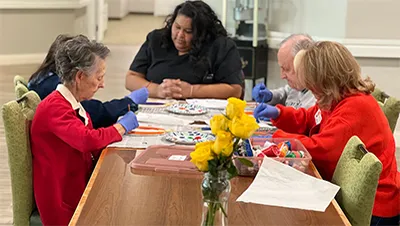
If your loved one delights in specific interests, such as gardening, religious services, lectures, or art, ask how those can be supported. For citizens with limited vision, hearing loss, or mobility concerns, ask how the activities are adjusted, not simply whether they are welcome.
Transportation is another practical concern. Does the home offer set up journeys to grocery stores, medical visits, religious services, or neighborhood occasions? If so, how often and at what cost? Access to the bigger community assists lots of locals feel less "put away" and more connected.
Financial reality: expenses, contracts, and what happens if needs change
Families frequently find costs more difficult to go over than care needs, but clearness about cash prevents later on heartbreak. Assisted living prices models can be remarkably complex.
Ask for a made a list of list of charges. Generally, there is a base rate for real estate, meals, and basic services, plus extra tiers or points for care. These may be labeled "Level 1 to Level 5" or determined through a scoring system based upon the resident's needs. Request examples. For example, what would a resident pay who requires aid with bathing twice a week, medication suggestions 3 times per day, and aid with toileting and transfers?
Then ask the most important monetary concern: how typically do you reassess charges, and what sets off an increase? Some communities change rates annually, others after any modification in the care strategy. You want to know whether an extra five minutes of aid every day might push someone into a higher-cost tier.
Clarify what is not consisted of. Common bonus consist of incontinence supplies, individual laundry, cable television service, internet, transport, visitor meals, and certain activities. Ask particularly about each of these, since "all-encompassing" plans in some cases conceal limits.
Long-term financial sustainability requires an honest look. If your loved one's savings run low in 5 to seven years, what takes place? Some communities accept Medicaid waivers, however frequently just for a subset of apartments and after private spend for a period. Others are purely personal pay and will need a move when funds are tired. Do decline vague guarantees. Request composed policies and real-world examples of what has actually occurred to citizens who outlived their resources.
Respite care: a low-risk trial run
Respite care is frequently ignored, yet it can be one of the most beneficial tools for families who are uncertain whether assisted living is the right relocation. Many residences offer short-term stays, ranging from a week to a couple of months, which can serve multiple purposes.
For household caregivers on the edge of burnout, respite offers rest and a possibility to manage their own medical appointments or life jobs. For an older adult, a short stay can serve as a low-risk trial. They experience the regimens, meet staff, and get a sense of the community, without fully quiting their home.
Ask whether the residence offers respite care, what the minimum and optimum stays are, and the day-to-day or regular monthly expense compared to basic rates. Clarify whether respite locals get the very same level of access to activities, dining options, and care services as long-lasting residents.
A helpful question is: the number of respite remains ultimately become irreversible relocations each year? Not because you wish to become part of a quota, but because it reveals whether the home is positive enough in its day-to-day experience that individuals pick to remain after attempting it.
Family interaction and involvement
When older grownups move into assisted living, households do not stop caring, they simply move functions. How the home partners with households has a direct impact on both fulfillment and safety.
Ask about communication regimens. How frequently does the nurse or care supervisor provide updates, and by what technique? Are there regular care conferences where households can examine the care strategy and ask concerns? How easily can you reach someone who knows your loved one's situation if you get in touch with a weekend?
Policies about checking out matter too. Exist set checking out hours, or can household visited when they like? Are there private areas to visit outside the resident's apartment? For families who live far away, ask whether video calls can be facilitated if the resident lacks the technical skills.
Do not shy away from asking how the home handles disputes. For example, what if a resident refuses care that the household believes is needed, or the family demands restrictions that the resident resents? Try to find answers that lionize for resident rights, while still taking household issues seriously.
Practical questions during a tour: what to watch for
Tours can be thoroughly choreographed, however you can still gather a lot by being watchful and asking direct questions on the area. One short, focused list can assist keep your visit grounded.
During a tour, consider paying special attention to the following:
- How personnel engage with homeowners in passing, especially when they do not know you are listening
- Whether locals appear groomed, appropriately dressed for the time of day, and engaged in something significant
- Cleanliness in less apparent locations, such as corners, baseboards, and shared bathrooms
- Odors that suggest chronic incontinence problems or poor housekeeping, specifically in hallways instead of a single room
- How staff react when a resident calls out or tries to get attention while you are there
After the tour, do a second pass in your mind: did you feel rushed or really welcomed to ask concerns? Did the personnel talk just about features, or did they discuss real-life challenges with honesty?
Red flags and deal breakers
No residence is best, but some warning signs are worthy of severe weight. These often emerge when you press gently underneath the surface.
Pay attention if you hear inconsistent responses from different staff about key problems such as staffing levels, medication management, or emergency situation actions. Inconsistent stories usually imply inconsistent practice.
Another red flag is chronic understaffing. You can notice this when buzzers call for long stretches, personnel walk rapidly with tense expressions, or there are frequent apologies for "being brief today" throughout multiple visits. A rough day is regular. A continuous sense of scramble is not.
Watch for a culture that deals with homeowners as tasks rather than people. A simple example: do personnel know residents' names, or do they state "honey" and "sweetie" to everyone because they can not remember who is who? When a resident is puzzled or moving slowly, do staff program perseverance, or do they hurry, scold, or ignore?
Financial pressure strategies are another issue. If you feel pushed to sign rapidly "before rates go up," or sense hesitation to let you check out the agreement completely, slow down. A reputable neighborhood will expect and welcome mindful review.
Finally, focus on your loved one's reactions. They might not specify it directly, however you will see pain, anxiety, or emerging interest in their body language. A neutral response on day one can warm over a couple of visits, but an intense negative response deserves regard, even if it makes complex logistics.
For numerous families, it assists to carry a succinct suggestion of the most serious red flags to expect, so they do not get lost in the flood of information.
Some of the most essential red flags to treat as prospective offer breakers consist of:
- Repeated management turnover within a brief time frame
- Vague or incredibly elusive answers about how they deal with falls, infections, or behavioral concerns
- Poor staff morale that you can see and feel, such as open grumbling in halls
- Unclear monetary terms, frequent "exceptions," or resistance to offering written policies
- An agreement that provides the house broad power to release citizens with little notification
If you experience two or more of these in the very same location, time out, even if the location or design feels ideal.
Balancing head and heart
Assisted living, at its best, provides security, relief, and restored dignity for older adults who are tired of having a hard time alone in your home. It can likewise give household caretakers the area to end up being kids, children, or partners once again, rather of tired full-time aides.
The concerns you ask shape whether you see only the polished surfaces or peek the genuine day-to-day life of the house. Move beyond shiny descriptions and into specifics: who will assist your parent out of bed at 6 a.m., who will observe the subtle change in cravings that hints at an infection, who will sit and listen when sorrow or confusion surfaces late at night.
Senior care choices are rarely clean or simple. They include trade-offs amongst independence, security, cost, and household dynamics. Yet when you approach assisted living with clear needs, sincere concerns, and careful observation, you greatly enhance the odds of discovering a location where your loved one is not simply housed, however really cared for.
BeeHive Homes of Henderson provides assisted living care
BeeHive Homes of Henderson provides memory care services
BeeHive Homes of Henderson provides respite care services
BeeHive Homes of Henderson supports assistance with bathing and grooming
BeeHive Homes of Henderson offers private bedrooms with private bathrooms
BeeHive Homes of Henderson provides medication monitoring and documentation
BeeHive Homes of Henderson serves dietitian-approved meals
BeeHive Homes of Henderson provides housekeeping services
BeeHive Homes of Henderson provides laundry services
BeeHive Homes of Henderson offers community dining and social engagement activities
BeeHive Homes of Henderson features life enrichment activities
BeeHive Homes of Henderson supports personal care assistance during meals and daily routines
BeeHive Homes of Henderson promotes frequent physical and mental exercise opportunities
BeeHive Homes of Henderson provides a home-like residential environment
BeeHive Homes of Henderson creates customized care plans as residents’ needs change
BeeHive Homes of Henderson assesses individual resident care needs
BeeHive Homes of Henderson accepts private pay and long-term care insurance
BeeHive Homes of Henderson assists qualified veterans with Aid and Attendance benefits
BeeHive Homes of Henderson encourages meaningful resident-to-staff relationships
BeeHive Homes of Henderson delivers compassionate, attentive senior care focused on dignity and comfort
BeeHive Homes of Henderson has a phone number of (702) 551-0265
BeeHive Homes of Henderson has an address of 1000 Greenway Rd, Henderson, NV 89002
BeeHive Homes of Henderson has a website https://beehivehomes.com/locations/henderson/
BeeHive Homes of Henderson has Google Maps listing https://maps.app.goo.gl/qpZ3TKgbxCu1MVSh8
BeeHive Homes of Henderson has Instagram page https://www.instagram.com/beehivehomeshenderson/
BeeHive Homes of Henderson has an YouTube page https://www.youtube.com/@hamiltonshives4468
BeeHive Homes of Henderson won Top Assisted Living Homes 2025
BeeHive Homes of Henderson earned Best Customer Service Award 2024
BeeHive Homes of Henderson placed 1st for Senior Living Communities 2025
People Also Ask about BeeHive Homes of Henderson
What is BeeHive Homes of Henderson Living monthly room rate?
Our base rate is $4,700 per month for assisted living and $5,700 per month for memory care plus a one-time community fee of $2,500. We do an assessment of each resident's needs prior to move-in, so each resident's rate may be higher. These prices fall into three tiers based on resident needs and range from $4,700/month to $7,300/month. However, after we do the assessment and quote a price, there are no add-ons or hidden fees
Does Medicare and Medicaid pay for a stay at Bee Hive Homes?
Medicare pays for hospital and nursing home stays, but does not pay for assisted living. Some assisted living facilities are Medicaid providers but we are not. We do accept private pay, long-term care insurance, and we can assist qualified Veterans with approval for the Aid and Attendance program
Do we have a nurse on staff?
We do have a nurse on contract who is available as a resource to our staff but our residents' needs do not require a nurse on-site. We always have trained caregivers in the home and awake around the clock
What can you tell me about the food at Bee Hive?
You have to smell it and taste it to believe it! We use dietitian-approved meals with alternates available for flexibility, and we can accommodate needs for different textures and therapeutic diets. We have found that most physicians are happy to relax diet restrictions without any negative effect on our residents
Do we allow pets?
We do allow small pets as long as the resident is able to care for them. State regulations also require that we have evidence of current immunizations for any required shots
Where is BeeHive Homes of Henderson located?
BeeHive Homes of Henderson is conveniently located at 1000 Greenway Rd, Henderson, NV 89002. You can easily find directions on Google Maps or call at (702) 551-0265 Monday through Sunday 9:00am to 5:00pm
How can I contact BeeHive Homes of Henderson?
You can contact BeeHive Homes of Henderson by phone at: (702) 551-0265, visit their website at https://beehivehomes.com/locations/henderson/ or connect on social media via Instagram or Facebook
Residents may take a trip to the Mom's Kitchen. Mom's Kitchen provides a comfortable local dining option where families visiting loved ones receiving Assisted living memory care senior care elderly care and respite care can enjoy a casual meal together.